



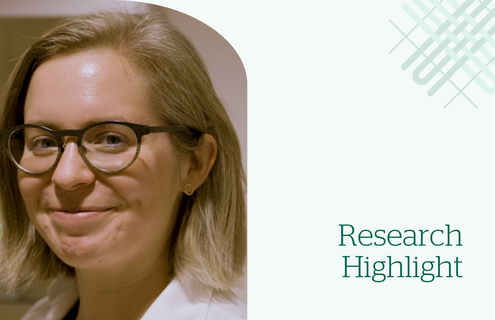
A new study published in JAMA and led by palliative medicine physician Claire K. Ankuda, MD, MPH, MSc, takes a closer look at hospice care in urban and rural centers.
The study assessed how hospice care varies across rural-urban locations in length of stay, setting of care, visits by hospice staff, and rates of higher-level hospice care.
The research team included Ken Covinsky, MD, MPH; Bocheng Jing MS; Helen P. Knight, MD, MPH; Krista L. Harrison, PhD; Melissa D. Aldrige, PhD; Meredith A. MacMartin, MD, MS; and Lauren J. Hunt, PhD, RN, FNP.
The team found that older adults living in rural communities are less likely to receive hospice care, and when they do, are less likely to receive the most intensive hospice services for severe symptoms.
In the future, Ankuda and her team would like to learn why.
“Rural hospice teams are doing a remarkable job of providing routine care to patients despite the challenges of distance and geography,” says Ankuda, who is also an Associate Professor of Medicine and of Health Policy and Clinical Practice at Dartmouth’s Geisel School of Medicine.
“What we found is that the biggest differences emerge when patients need more intensive, round-the-clock support – and that’s the gap we need to understand better.”
There were limitations to the study, the research team points out.
One is the study did not formally analyze differences in patient characteristics, other than age and sex, and that may influence differences in hospice use acrossthe rural-urban continuum.
Future research, the team concludes, should identify the drivers of these differences and also evaluate the consequences of limited access to higher-intensity care.