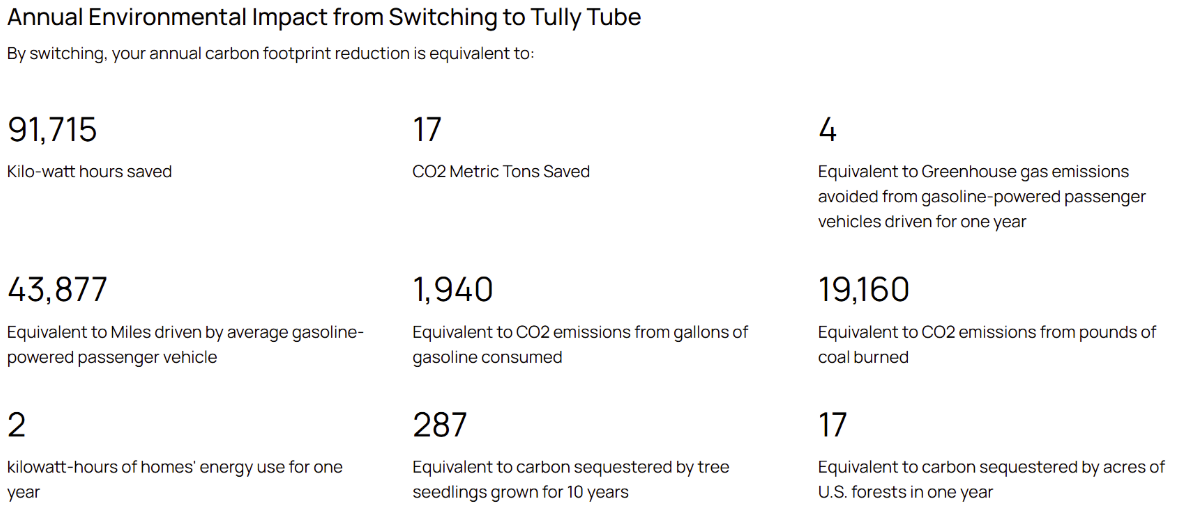



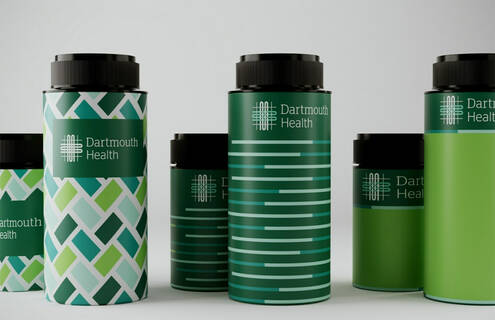
It’s the same prescription, but in a different, eco-friendly container.
Your new Tully Tube medication bottle significantly reduces environmental waste and makes your prescription more sustainable.
That’s because the medication bottle is compostable, paper-based, and curbside-recyclable.
“By sourcing these new environmentally friendly medication containers, we not only align with our goal of reducing single-use plastics but also maintain the highest standards of care and safety,” says Chelsea Thurston, Dartmouth Health’s director of pharmacy operations.
Why we changed
The bottles were developed to provide a meaningful step to positively impact the environment and promote cost-saving, eco-friendly practices in healthcare.
The body is made from recyclable and compostable paper, allowing the bottle to break down naturally. The cap, while still made from plastic to prevent children from opening the bottle, uses recycled materials to reduce environmental impact.
Together, that means when it’s time to toss the bottle, you can use the pull tab to separate the paper body from the plastic cap and neck. The paper part can then be composted or recycled, while the plastic pieces can be recycled separately.
Why we got here
Plastic medicine bottles are a big source of waste in the United States.
In 2018, there were about 6.8bn prescriptions in the United States, many of them dispensed in orange plastic bottles that end up unrecycled in landfills.
Both patients and healthcare providers in the Dartmouth Health community wanted to see change.
“We’ve seen growing demand from our patients and team members for eco-conscious solutions,” explains Thurston.
How we got here
“In 2020, we transitioned to biodegradable packaging for shipping refrigerated medications. This change marked the beginning of the Dartmouth Health Pharmacy's efforts toward a more sustainable future,” Thurston says.
Then, in September 2025, came the pilot program that replaced some traditional plastic vials with the Tully Tube containers.
The response was overwhelmingly positive.
“Hearing from our patients has been invaluable, allowing us to see firsthand how our services and initiatives are positively impacting their lives,” says Thurston.
Now, the new eco-friendly bottles are being used across the entire Dartmouth Health system.
Feedback continues to be encouraging.
“I love the new bottles,” says one patient. “I love that they’re environmentally friendly and that I no longer have to try and shamefully hide the bright orange pill bottle.”