



Curriculum
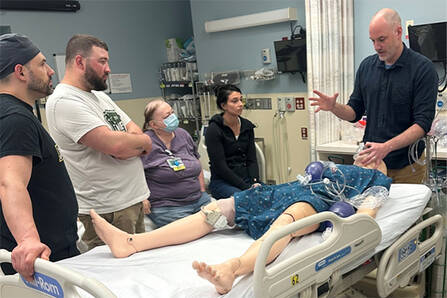
The Neurology and Neurocritical Care APP Fellowship is designed to transform motivated APPs into highly capable, confident, and practice-ready neurology clinicians. Through immersive hands-on clinical training, structured didactic education, dedicated mentorship, and meaningful quality improvement initiatives, fellows develop the knowledge, skills, and clinical judgment needed to thrive in the rapidly evolving field of neurology.
Our goal is to graduate well-rounded APPs prepared to thrive in a variety of neurologic practice settings. To achieve this, the fellowship follows a two-phase curriculum:
- Phase I: The first half focuses on a comprehensive core curriculum, building the foundational knowledge and clinical skills essential to practicing as a general neurology APP.
- Phase II: In the second half, fellows personalize their training based on their interests and career goals, with focused experiences in subspecialty neurology, inpatient or outpatient care, or neurocritical and acute care.
By combining a strong foundation with individualized training, fellows graduate with the expertise, confidence, and versatility to build a successful career in neurology.
Two-phase curriculum
Phase I: Building your foundation
Foundational neurology | First half of fellowship
The first half of the fellowship is focused on building a strong and confident foundation in general neurology. Through immersive core clinical experiences, fellows develop expertise in neurological history-taking, examination, localization, diagnostic reasoning, and evidence-based management.
With guidance from experienced faculty, fellows progressively build the knowledge, clinical judgment, and confidence needed to care for patients with a broad range of neurological conditions. This foundational experience prepares each fellow to transition successfully into a clinical role while providing the skills needed to continue growing throughout their career.
Phase II: Shaping your fellowship
Individualized training | Second half of fellowship
With a strong foundation in place, fellows enter the second half of training with the opportunity to make the fellowship their own.
Working closely with faculty mentors, each fellow can tailor their clinical experiences to their career goals, professional interests, and anticipated practice setting. This flexible approach allows fellows to explore areas of interest, expand their clinical skill set, and gain deeper expertise where it matters most for their future.
Fellows may choose to emphasize:
- Subspecialty care (i.e., epilepsy, stroke, neuromuscular)
- Neurocritical care
- Acute neurological care
- General neurology
- Outpatient clinical neurology
This individualized experience builds upon the core curriculum while allowing each fellow to develop a unique clinical focus and prepare for the next step in their career.
Clinical education
The clinical curriculum is built around immersive, hands-on learning across ambulatory, inpatient, emergency, and critical care settings. Fellows learn by caring for patients alongside experienced neurologists, APPs, residents, and multidisciplinary teams, gaining the skills and confidence to manage both common and complex neurologic conditions.
Clinical education includes:
- Hands-on patient care in diverse neurologic settings
- Case-based learning that connects clinical experience with evidence-based practice
- One-on-one teaching and mentorship from experienced clinicians
- Direct observation and real-time feedback to accelerate clinical growth
- Progressive autonomy with close supervision as skills and confidence develop
- Exposure to a broad spectrum of neurologic disorders, from common presentations to complex and critically ill patients
- Inpatient, outpatient, emergency, and neurocritical care experiences that prepare fellows for the full spectrum of neurology practice
Through this immersive approach, fellows move from learning the fundamentals to confidently applying their knowledge in real-world clinical practice.
Didactic education
Didactic education is a cornerstone of the fellowship, providing fellows with a structured and engaging foundation in the diagnosis and management of neurologic disease. Clinical experiences are reinforced through dedicated academic time and multiple weekly teaching sessions designed to connect knowledge with real-world patient care.
Fellows participate in approximately 8 hours of didactic education each week, including dedicated academic half days, case-based discussions, lectures, conferences, and focused teaching sessions. These sessions provide opportunities to explore complex neurologic cases, deepen clinical reasoning, and learn directly from experienced faculty and specialists.
Fellows also participate in shared didactic sessions with APP fellows across the institution, creating opportunities for interdisciplinary learning, collaboration, and connection with colleagues in other specialties.
The curriculum is aligned with current educational and practice guidelines, including those supported by the American Academy of Neurology and the Neurocritical Care Society, ensuring fellows develop a strong, evidence-based foundation for clinical practice.
Quality improvement and scholarly work
Quality improvement and scholarly activity are integral to the fellowship experience, providing fellows with opportunities to advance patient care, explore clinical questions, and contribute to the evolving field of neurology. Through dedicated mentorship, fellows develop expertise in quality improvement, research methodology, critical appraisal of the literature, and effective scholarly communication.
Each fellow completes a faculty-mentored, approved project designed to address a meaningful clinical or educational question. Fellows are encouraged to share their work through regional and national conferences, with the goal of submitting at least one abstract during their fellowship. These experiences foster curiosity, innovation, and a lifelong commitment to evidence-based practice and continuous improvement.
Mentorship, supervision, and feedback
From day one, fellows are supported by experienced faculty while steadily building the confidence and independence to practice at the top of their scope.
Each fellow is paired with a dedicated faculty mentor who provides individualized clinical guidance, career mentorship, and ongoing feedback throughout the fellowship. On clinical rotations, fellows work alongside attending neurologists, APPs, residents, and multidisciplinary teams, learning through hands-on patient care, real-time teaching, and collaborative practice.
As fellows progress through the program, they assume increasing autonomy while continuing to receive structured support and feedback. Regular meetings with the Program Director, including both formal and informal sessions throughout the year, provide opportunities to celebrate growth, set goals, and address areas for continued development. Continuous feedback from faculty across clinical experiences, together with close mentorship from their dedicated mentor, ensures fellows have the guidance they need throughout their training.
Our goal is to graduate confident, capable, and well-rounded neurology APPs who are prepared to step into independent practice and equipped to pursue the areas of neurology that inspire them most.