



Health and Wellness

How Do You Know if You Have COVID-19, Flu, or RSV?
Are you worried about getting infected with COVID-19, the flu, or RSV? Find out the symptoms, how they differ, and how best to protect yourself.
What’s the Difference Between an Obstetrician and a Midwife?
Training and expertise of these two maternal healthcare providers are not the same. Learn when you could need the skills and knowledge of each.
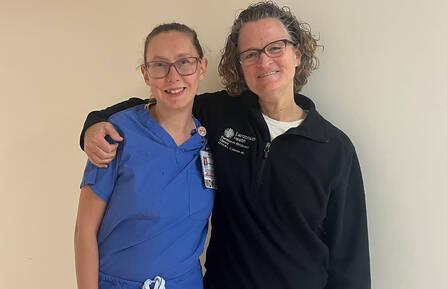
When Your Newborn Baby Is Too Young or Sick to Eat by Mouth
Dietetic technicians in the Milk Drops Program, an initiative at the Intensive Care Nursery, make sure fragile babies get the care and nutrition they need.

Celebrating 500 Left Atrial Appendage Occlusion Patients Treated at Dartmouth Health
In January 2025, Dartmouth Health celebrated its 500th Left Atrial Appendage Occlusion (LAAO) procedure.

How You Can Stay Safe in the Summer Heat
Heat waves can affect our health—especially if you are someone with an existing health condition. Here are some tips for staying safe as temperatures rise.

Worried You Have Crohn’s or Ulcerative Colitis?
Director of the Center for Digestive Health, Corey Siegel, MD, explains the importance of early treatment and answers questions about diagnosing and treating these inflammatory bowel diseases known as IBD.

Signs and Symptoms of Crohn's and Ulcerative Colitis
Crohn’s Disease and ulcerative colitis are more common than you think. Director of Dartmouth Health’s Center for Digestive Health Corey Siegel, MD, explains what you may be feeling if you have one of these inflammatory bowel diseases (IBD’s).

Signs, Symptoms and Types of Diabetes: What You Need to Know
Diabetes rates are rising among children and adults. Find out more about this disease and why early diagnosis is so important.

What is Cystic Fibrosis and How Is It Treated?
Pediatric Gastroenterologist Julie Sanville, DO, FAAP, talks about this genetic disorder and why raising awareness is so important.

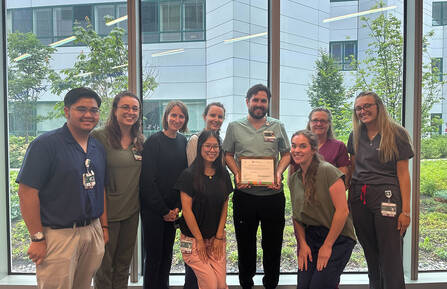
How to Avoid Pressure Injuries
Being confined to a bed or chair can lead to what are commonly known as pressure wounds or bed sores. A group of nurses implemented a program so that their patients would no longer suffer from them.